
Introduction: Understanding the Most Expensive NFT Phenomenon
The most expensive NFT refers to a digital asset that has sold for a record price on a blockchain marketplace or auction platform. Some NFTs have reached prices once reserved for famous paintings, rare sculptures, and historic collectibles. Between 2020 and 2022, the NFT market saw massive growth, with individual NFTs selling for millions of dollars.
This guide explains the most expensive NFTs ever sold, why they reached such high values, what caused the market downturn, and what the future holds for high-value NFTs. It is designed to be easy to understand, informative, and optimized for search rankings.
What Is an NFT and Why Can It Be So Expensive?
A non-fungible token (NFT) represents a digital asset that exists as a unique item on the Ethereum blockchain. NFTs function differently from cryptocurrencies like Bitcoin and Ether because each NFT exists as a unique digital asset that people can exchange only through direct ownership. The blockchain system guarantees that people can access secure ownership information, which maintains public authenticity.
The digital scarcity of NFTs leads to their high market value because digital assets become impossible to duplicate. The original ownership of a digital file remains with the NFT, which displays the authentic version of the file. The combination of limited availability together with high demand results in rapid price increases, which occur especially during market upswings.
Key Characteristics That Create NFT Value
A blockchain-based ownership verification system establishes authenticity proof.
The permanent transaction record maintains documentation of each sale throughout the entire history.
The item exists in either limited supply or as a single unique piece, which boosts its value through increased scarcity.
The item possesses value that people recognize because of its cultural, artistic, and historical importance.
Collectors and investors maintain a strong interest in this particular item.
The most valuable NFT transactions take place when all essential elements combine at peak market activity because this situation creates bidding wars among buyers who want to buy top-priced items.
List of the Most Expensive NFTs Ever Sold
1. Everydays: The First 5000 Days – $69.3 Million
 Artist: Beeple
Year Sold: 2021
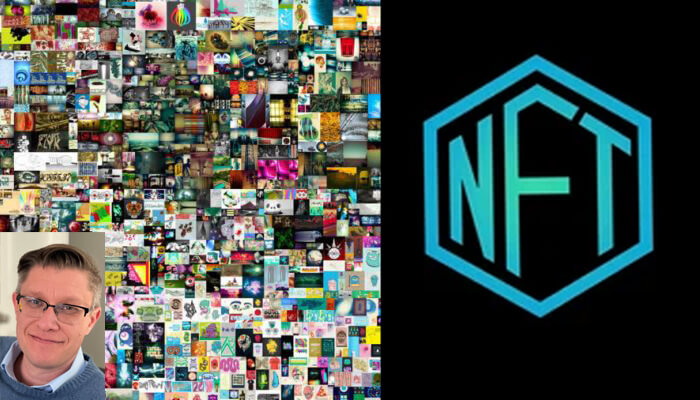
As the most costly NFT single artwork, Everdays: The First 5000 Days reached its highest market value. The artwork consists of 5,000 individual images, which Beeple created as daily artworks over a period of 13 years. The artist’s dedication to long-term creative work created both artistic and historical value for his NFT.
The NFT was sold at a Christie’s auction, marking the first time a major auction house offered a purely digital artwork. The sale brought NFTs into the mainstream art world because it attracted international attention from collectors and investors and media outlets.
Why did it become the most expensive NFT?
- First purely digital NFT sold by Christie’s
- Unprecedented global media coverage
- Strong narrative built around long-term artistic dedication
- Considered a milestone for digital art legitimacy
- This sale established a new standard for NFT valuation, which contributed to the rapid acceptance of digital assets by the public.
2. The Merge – $91.8 Million (Cumulative Sales)
Artist: Pak
The Merge between the two parties generated combined sales of 91.8 million dollars through its NFT sales. The Merge project stands as one of the most groundbreaking and precious NFT projects because it achieved total sales of 91.8 million dollars. The project offered buyers the option to buy “mass” units, which they could use to create digital artwork that would develop over time instead of selling them a single NFT. A collector who owned more units acquired greater access to the artwork that they owned.
The unique structure of this system established a new form of NFT ownership, which required thousands of buyers to work together in order to create the final artistic work. The Merge established itself as the highest value NFT sale in history because it generated more revenue than any other NFT sale, although it did not involve a single-token exchange.
Why it mattered:
- The project introduced groundbreaking NFT operating systems
- The project enabled users to share digital products through community-controlled fractional ownership systems
- The project showed that digital assets from NFT markets have the ability to grow in value through new methods
- The project achieved record sales, which made it the highest revenue-generating NFT sale in history
The Merge demonstrated how NFTs could develop from fixed picture files into interactive digital assets that users create through their participation.
3. CryptoPunk #5822 – $23.7 Million
Creator: Larva Labs
CryptoPunk #5822 is one of the most expensive NFTs, which achieved a sale price of $23.7 million during the peak of the NFT market. The CryptoPunk collection, which started in 2017, presents itself as the first NFT collection to create modern profile-picture (PFP) NFTs.
Punk #5822 has exceptional worth because it exists as one of nine alien CryptoPunks that the designers created. The Alien Punk category represents the collection’s most uncommon type, which attracts both premium collectors and dedicated NFT collectors.
Why it sold for millions:
- The existence of nine alien punks creates extreme rarity
- The first NFT project that developed into this project holds historical significance
- High-profile crypto investors create strong demand for this product
- The NFT community recognizes this digital asset as a status symbol
The sale established CryptoPunks as blue-chip NFTs while showing their status as essential cultural elements that shape digital ownership history.
4. Clock – $52.7 Million
Creators: Pak & Julian Assange
The political NFT Clock sold for 52.7 million dollars because it holds deep symbolic valuemaking it one of the most expensive NFTs ever sold. The artwork displays a digital timer that tracks the total duration of Julian Assange’s imprisonment. The value of Clock comes from its political message and social impact, which it shows through its essential visual design.
A decentralized autonomous organization (DAO) acquired the NFT through its establishment for Julian Assange’s support. The NFT became a strong example of activist power when thousands of contributors joined together to fund its purchase.
Why it became one of the most expensive NFTs:
- The press freedom movement acquired strong political support through its symbolic connection to their cause.
- The DAO-funded purchase of the asset established shared ownership among its members.
- The worldwide audience showed active interest in the campaign, which drove up demand for the product.
- The demonstration showed that NFTs function as instruments that enable people to express their social and political beliefs.
The Clock demonstration proved that NFTs function as more than digital art because they operate as tools for protest, awareness, and worldwide unity.
5. Human One – $28.9 Million
Artist: Beeple
The hybrid NFT Human One sold for $28.9 million, which makes it one of the most valuable NFTs ever sold. Human One exists as a physical sculpture together with digital assets, which create an interactive artwork experience instead of traditional digital-only NFTs. The physical artwork contains a video display that rotates inside a metal enclosure, while the NFT provides access to digital content that keeps changing over time.
Human One contains an artwork display that transforms itself through time into various forms. The artist Beeple keeps control over the digital visuals, which he can change at any time to guarantee that the artwork continues to exist as a living artwork instead of staying fixed. The concept creates a connection between physical sculpture and digital art, which exists on blockchain technology.
Why it stands out:
- The artwork combines two types of ownership because it merges physical and digital elements into one complete artwork
- The artwork contains digital material that continuously updates itself to create fresh content
- The exhibit has a strong appeal to both museums and galleries
- The exhibit introduces a new system that enables people to keep digital art for their entire life.
The Human One exhibit showed how NFTs could develop into something more than static pictures through their ability to create enduring worth through their fresh ways of doing things and their artistic development.
Why These NFTs Reached Record-Breaking Prices
 The Most Expensive NFT Sales Occurred Because Multiple Forces United At The Market’s Highest Point To Drive Prices Beyond Their Previous Limits.
1. Scarcity and Exclusivity
Most high-value NFTs were released in extremely limited numbers or as one-of-one assets. The artificial scarcity created through this method resulted in collectors who possess wealth competing against each other during the bidding process. The process of bidding wars led to price increases after demand reached an exceptional level beyond available supply.
2. Cultural Timing
NFT prices surged during a unique period marked by:
- Strong crypto bull markets
- Rapid digital adoption during the pandemic
- Low interest rates that encouraged speculative investments
These conditions resulted in excess capital availability while investors pursued high-risk assets that offered potentially high returns, such as NFTs.
3. Creator Reputation
Before entering the NFT space, artists Beeple and Pak had established their strong reputations and attracted large online audiences. Established artists who had built their credibility reduced buyer risk while validating high price points for their work.
4. Status and Identity
High-net-worth crypto investors considered their ownership of expensive NFTs as both an investment and a social status marker. High-value NFTs functioned as digital status symbols that demonstrated a person’s wealth and power and their status as early adopters in the cryptocurrency community.
The combination of these factors propelled specific NFTs to achieve record-breaking prices while they generated major media coverage throughout the NFT market’s highest point.
NFT Market Crash: What Happened After the Peak?
The NFT market faced a significant decline during 2022 and 2023 after it reached its highest point in 2021. The NFT market showed decreased trading activitywhich caused a major decline in buyer interestand all NFT categories experienced a price drop. The market, which had previously expanded rapidly through publicity and market speculation, entered an extended period of decline.
Major Reasons for the NFT Market Decline
- Rising interest rates reduced speculative investment as investors shifted capital toward safer, yield-generating assets.
- The market faced an excessive supply of low-quality NFT projects, which decreased product availabilityand resulted in lower buyer trust.
- The failed utility promises, together with the unfinished roadmaps, caused various projects to lose their trustworthiness and their ability to attract ongoing support.
- The increased regulatory scrutiny generated doubts about three areas, which included tax obligations, securities definitions, and regulatory compliance.
The majority of NFTs, which previously fetched millions of dollars, now experience an 80 to 90 percent value decline, which resulted in some assets becoming almost impossible to sell. The NFT ecosystem showed its flaws during the crashwhile the market moved toward more sustainable applications, which required actual utility.
Do the most expensive NFTs maintain their value in the current market?
Some blue-chip NFTs continue to hold value because of their historical importance and cultural relevance, which establishes their value. Major milestone NFTs like early CryptoPunks and Beeple’s landmark works continue to attract interest from collectors and institutions. The market now shows liquidity problems for many NFTs that previously sold at high prices, because their active trading decreased and their buyer count dropped.
Current markets value products based solely on their pricing. Businesses need to develop physically sustainable operations that depend on their essential business activities instead of temporary marketing strategies. NFTs that stay relevant through time present evidence of their historical value and cultural impact.
NFTs with Lasting Value Typically Have:
- NFT history records these digital assets as “first-of-their-kind,” which gives them permanent status in the NFT record.
- The creator has built their brand through a process which established their brand as credible and trustworthy throughout their career.
- The product has received recognition from institutions and cultural organizations through museum exhibitions and media coverage in popular outlets.
The NFT market has developed into a mature system, which now shows that only a few valuable historical NFTs maintain their worth throughout time.
NFT experts today use their expertise to evaluate high-value NFTs.
 Current NFT valuation methods have moved from high market demands and transient market movements to fundamental assessment methods. Experts examine long-term elements that determine an NFT’s capacity to maintain its worth throughout time, especially under conditions of market growth and greater regulatory oversight.
The historical significance of an NFT establishes its permanent worth because it marks a vital moment in digital ownership history. The established trust and demand between artists and developers depends on their established credibility, which drives their professional success. Pricing for products depends on their scarcity, yet people now assess this factor together with their marketable value and dedicated user base.
Essential Elements for Assessing High-Value NFTs
NFTs and traditional art establish different ownership, trading, and valuation methods. Although both serve as collectible assets, they attract two distinct investor groups who assess risk from different angles.
NFTs use blockchain technology to establish ownership rights, which enables clear transaction records that anyone can follow. The world of traditional art requires both physical certificates and expert authentication processes, together with complete provenance documentation. The NFT market provides better approval for asset turnover during active trading times, whereas traditional artworks require extended periods for finding buyers through gallery or auction house channels.
NFTs display greater price fluctuations because their market values can change dramatically within brief time frames. Traditional art maintains price stability because of established market systems and regulatory frameworks that exist in the industry.
Key Differences Between NFTs and Traditional Art
| Feature | NFTs | Traditional Art |
|---|---|---|
| Ownership verification | Blockchain | Certificates |
| Liquidity | High (early stage) | Low |
| Volatility | Very high | Moderate |
| Regulation | Emerging | Established |
| Storage | Digital | Physical |
NFTs provide quick transparent digital innovation whereas traditional art functions as an investment category that exists throughout established regulations. Investors use these two options to decide which financial path suits their personality traits and investment knowledge.
Can Another “Most Expensive NFT” Sale Happen Again?
People now have the ability to purchase multiple expensive NFTs, which will never sell for the highest price because they originated from the original JPEG NFT marketplace transactions that occurred during the 2021 NFT market boom. The market has reached a more developed state, which allows buyers to choose their purchases based on actual value instead of temporary market excitement.
Future record-breaking NFT sales will depend on assets that provide actual value and ownership rights and revenue-generating capabilities instead of digital collectibles. Institutional investors and high-net-worth buyers increasingly look for assets that offer measurable benefits beyond visual appeal.
Future High-Value NFT Traits
The asset provides intellectual property rights, which enable holders to license and monetize their rights. The asset generates ongoing income through music, film, and gaming royalties. The process of real-world asset tokenization includes the creation of digital assets that represent actual property and high-value items.
Market adoption by institutional investors establishes trustworthiness, which creates stable market conditions
The current phase of the market will not experience another NFT sale that exceeds $60M because pure speculation cannot drive such results. NFTs, which will break future records, must demonstrate operational capabilities that include unambiguous legal status and perpetual economic value.
Future of the Most Expensive NFTs (2026–2030)
Most Expensive NFTs (2026–2030) Future Predictions The most expensive NFTs will develop through three main trends, which include increased regulation and better-defined utility for their digital assets. The market will develop more substantial trading practices because its current speculative behavior will turn into trading standards that depend on verified market fundamentals and predictable system performance. The new system will give preference to high-quality assets while rewarding projects that provide their users with both immediate and enduring digital advantages.
Expected Trends in High-Value NFTs
NFT projects will decrease in number but increase in quality through their development of exceptional use cases and their commitment to long-term growth.
Regulated marketplaces offer legal protection to investors through their compliance with regulations and their ability to deliver legally defined marketplace operations.
NFT ownership requires both access rights and revenue sharing and licensing benefits to provide its owners with actual value.
Digital assets will develop through their connection to AI and metaverse platforms, which allow users to experience interactive and evolving virtual content.
The period between 2026 and 2030 will show a shift in most valuable NFTs, which will transform from their current role as speculative assets into digital ownership assets with defined practical value and environmentally sustainable features, and institutional value.
FAQs: Most Expensive NFT
What is the most expensive NFT ever sold?
Beeple’s Everydays: The First 5000 Days became the most valuable single NFT artwork when it sold for $69.3 million. The sale took place at a Christie’s auction in 2021 and marked a major milestone in the history of digital art and NFTs.
Why did NFT prices fall?
The market reached saturation, which resulted in NFT price declines because investors had less money to spend while interest rates increased, and many projects failed to deliver actual value. Only high-quality and historically significant NFTs maintained their value when speculative demand decreased.
Are expensive NFTs a good investment?
Expensive NFTs can be a good investment only in limited cases. Historical assets with creator-based historical value and actual product-based value have better long-term growth potential than assets that only exist for market speculation.
Will NFTs reach new all-time highs?
New all-time highs are possible, but future growth will likely be driven by real ownership value, legal rights, and practical use cases rather than hype or short-term speculation.
Conclusion: What the Most Expensive NFT Era Taught Us
The rise of the most expensive NFT proved that digital ownership can hold real-world value comparable to traditional art and collectibles. The record-breaking sales demonstrated that blockchain technology brings a new method for determining ownership, authenticity, and value in the digital age. The market correction showed that excessive excitement about an asset that lacks essential value will eventually lead to its downfall.
The market shift following the crash led to new developments in NFT technology, which, instead of disappearing completely, brought about new market changes. The market evolved from supporting speculative activities to backing projects that displayed specific objectives and created sustainable value through their development. The market’s first reckless behavior created a marketplace that now functions with better operational standards.
The upcoming wave of valuable non-fungible tokens will move away from price-based trading toward functions that provide ownership rights and permanent digital assets. The growing maturity of NFT technology will transform it into a core component for managing digital and physical asset ownership and trading activities, and asset valuation processes.