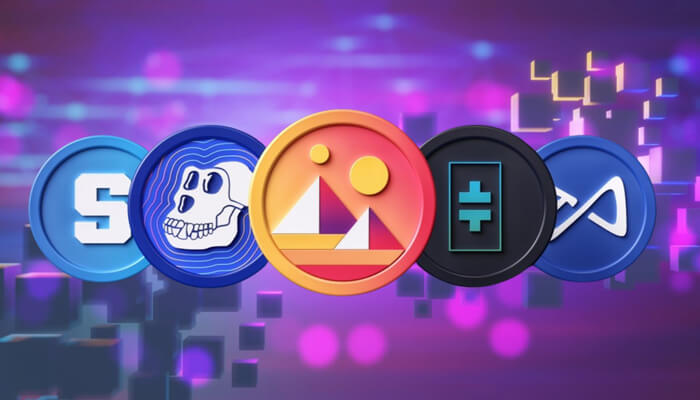

The Metaverse has emerged as a new digital space that people now use for socializing and investing, and this development centers on Metaverse Coins. These coins have become one of the most active digital currencies because they allow users to engage with a virtual economy that links to actual economic systems. These coins function as digital currencies, which enable users to access virtual worlds where they can purchase virtual land, avatars, and other digital products. The article investigates how Metaverse coins will develop the future of cryptocurrency markets while creating new investment methods and utilizing blockchain technology, decentralized finance, and NFTs for digital landscape development.
What Are Metaverse Coins?
Metaverse coins function as digital currencies that users can spend exclusively within virtual worlds that exist on blockchains. These coins function as the primary currency for their respective metaverse systems, which users can use to conduct various online transactions. Users can use these coins to conduct digital transactions, which include buying virtual land, designing their characters, acquiring digital products such as virtual clothing and accessories, and engaging in different in-game economic systems and activities. Users can access all virtual spaces that use these coins to create infinite options throughout the digital universe.
These coins establish a connection between the real world and digital space by enabling users to participate in digital economies that function outside standard banking systems. The coins provide artists and companies with the ability to create revenue streams from virtual products and virtual services, which supports the growth of the entire digital economy. Users can buy virtual real estate to build digital environments that they can use to organize virtual events while selling digital assets, including NFTs, through Metaverse coins, which users can buy, sell, and trade.
The current Metaverse ecosystem depends on users, investors, and creators who need to use these assets as their essential resources for their activities. Users use real money to buy virtual assets, which include digital properties. The demand for virtual economy tokens has increased because investors perceive virtual worlds as emerging markets that will generate actual value through their ongoing development.
Metaverse coins function as more than a gaming and entertainment solution because they offer multiple applications across various fields, which include art, social networking, education, and finance. Users can establish businesses and host virtual concerts while providing consulting services in Decentraland, The Sandbox, and Axie Infinity virtual worlds. The different sectors that use Metaverse coins for social and economic activities have grown into an effective tool that users can use to maintain their economic and social interactions.
The digital asset revolution has evolved into a new market through which organizations now enter virtual worlds to create digital experiences that attract worldwide audiences. Metaverse coins are gaining popularity as a method of payment because they enable users to interact with technology and digital currencies in new ways. The entire crypto market experiences growth through the discovery of various digital economic applications, which investors, developers, and users find in these coins. It will continue to define Metaverse development because they serve as critical elements for establishing future digital interactions and virtual economic systems.
Blockchain Technology: The Backbone of Metaverse Coins
All these tokens use their blockchain system as their main operational technology base. The system functions as a distributed ledger that maintains permanent transaction records to provide users with complete transaction details while maintaining system security. The blockchain system documents all user transactions with Metaverse coins, which protects against fraudulent activities and establishes a safe environment for users to navigate virtual spaces.
Metaverse coins achieve better protection through blockchain technology because it offers security capabilities that centralized systems do not provide. Blockchain technology enables the development of decentralized virtual worlds, which allow users to trade and own digital assets without needing third parties for ownership transfers. Virtual real estate has experienced fundamental changes through this system, which enables users to conduct land and property transactions in a manner that resembles actual economic operations.
Blockchain technology enables users to create digital ownership for exclusive digital assets, which include NFTs. This system has created a stronger connection between virtual environments and real-world spaces because blockchain technology enables users to make decentralized asset transactions, which they can freely buy and sell in a secure environment.
Digital Assets in the Metaverse Economy
 The developing metaverse environment uses digital assets for its economic systems. Digital assets include a broad range of virtual goods such as cryptocurrencies, virtual real estate, avatars, in-game items, and NFTs. The metaverse economy depends on these assets, while Metaverse coins function as the main currency for their production, exchange, and actualization.
Digital assets now represent a major investment avenue that people use to access the virtual economy. Virtual real estate exists as a digital asset that people can purchase and sell inside the metaverse. Many people buy virtual land on Decentraland and The Sandbox because these platforms let them earn money by running virtual events and creating experiences, and establishing businesses. The digital assets possess actual monetary worth, which will increase with Metaverse expansion in the same way as physical assets in the conventional real estate sector.
Digital assets exist as NFTs, which serve an essential function in the economic structure of the metaverse. NFTs represent digital content with unique ownership rights, which artists, collectors, and video game developers use as their main digital medium. They enable users to possess their assets completely, which creates new investment possibilities for people who want to broaden their cryptocurrency portfolio.
Crypto Investments in the Digital Economy
The investment potential of these coins has grown because they offer investors the chance to achieve substantial financial returns. The institutional investor market and major corporations have begun to explore virtual economies which has resulted in substantial growth for Metaverse coins. The Metaverse now serves as a permanent technological advancement after Facebook (Meta) and other companies established their interest in this digital realm.
Investors in Metaverse coins use their digital currency holdings to establish ownership of the virtual environments that these coins maintain. Investors can use their coins to participate in governance processes while they help build the virtual environments that use these coins. The metaverse provides investors in virtual economies with a special way to engage because they can both invest money and help shape the future development of these digital marketplaces.
These coins provide investors with a means to protect their investments from conventional market volatility. The digital asset market has emerged as a new value preservation option because traditional investment markets experience unpredictable price swings. Investors who want to spread their investment risks are adding these coins to their portfolios, which already contain traditional financial assets such as stocks and bonds.
Decentralized Finance and Virtual Financial Systems
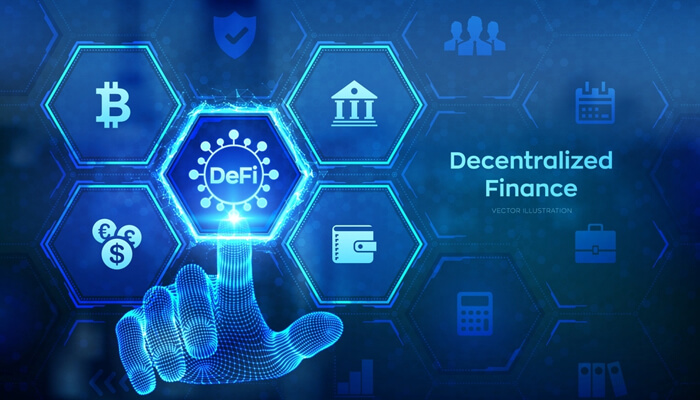 The functionality and growth of Metaverse coins depend on Decentralized Finance (DeFi). DeFi describes financial services and applications that operate on blockchain technology without requiring central authorities like banks and traditional financial institutions to function. Users can access lending, borrowing, staking, and other financial services through DeFi while using smart contracts and blockchain protocols to verify their transactions without needing intermediaries.
Users in the metaverse can conduct multiple financial transactions by using these coins through DeFi. Users have three ways to use virtual currencies they possess: they can earn interest through virtual currency, stake coins for rewards, or use digital assets as collateral to acquire loans. The metaverse DeFi protocols establish an accessible financial system that lets people use financial services without needing to depend on centralized organizations.
DeFi platforms experience rapid growth, which enables Metaverse coins to develop into vital financial instruments. The Metaverse platforms use this integration to build financial systems that their users can control through decentralized governance.
Digital Ownership Through Non-Fungible Tokens (NFTs)
Non-Fungible Tokens (NFTs) represent one of the most exciting developments that have emerged within the metaverse. Users can prove their ownership of specific items through NFTs, which function as unique digital assets that establish ownership rights to particular items, artworks, and content pieces. NFTs function as unique digital assets that maintain their distinctiveness because they cannot be exchanged for any other token.
Users use NFTs as virtual ownership tokens to gain ownership of digital assets, which include digital art, virtual land, and in-game items. Users can achieve complete digital asset ownership through NFTs, which they acquire using Metaverse coins. Artists now have a new way to generate income through NFTs, which let them sell their work while buyers obtain access to exclusive virtual items that are difficult to find.
The growing popularity of NFTs will lead to their deeper connection with the metaverse as artists, developers, and brands use them to build distinctive user experiences. The art and gaming industries already prove that NFTs can create revolutionary changes that will extend into the metaverse.
How Metaverse Coins Are Shaping the Future of Crypto Markets
The emergence of these virtual currencies is transforming how investors, creators, and users engage with digital currencies. The next cryptocurrency innovation is driven by Metaverse coins because they enable digital asset creation and trading,g and they offer decentralized financial services and support virtual asset ownership through NFTs. The virtual currencies function as fundamental components of a novel digital universe, which enables users to experience reality through its advanced virtual technology.
The emerging market for these assets is attracting investors who believe in the enormous possibilities of virtual economies. The financial systems built around them enable digital environments of gaming and artistic expression, socializing, and online shopping to function. The rising interest in Metaverse coins manifests through retail and institutional investors who flock to platforms like Decentraland, The Sandbox, and Axie Infinity, which require Metaverse coins for both entry and achievement.
The coins are becoming more connected to the overall crypto market because multiple exchanges, platforms, and services now support their usage. The major exchanges Binance and Coinbase have added these assets to their platforms, which enables users to easily trade these digital assets. The coins become more attractive to users because they can trade their digital assets freely on decentralized exchanges (DEXs), which give them complete control.
The metaverse’s expansion will establish Metaverse coins as essential elements of the crypto market, mirroring Bitcoin and Ethereum’s present status. The coins provide both long-term investment possibilities and essential support for the development of a new virtual economy. The growing significance of virtual real estate, digital goods, and NFTs in people’s lives will drive increased adoption of Metaverse coins. The new cryptocurrency system will spread through decentralized digital economies, which will introduce revolutionary changes to our future experience of life and work, and social relations.
Conclusion
These assets exist as more than virtual currencies because they provide access to digital economies, which create fresh prospects for users to invest in and own digital assets and interact with virtual worlds. Blockchain technology underpins these coins, which create a new framework for understanding digital assets and financial systems. The crypto market undergoes transformation through Metaverse coins, which enable decentralized finance, expand NFT applications, and create fresh methods for users to experience virtual environments. The metaverse expansion will establish these coins as the primary drivers of progress because they will develop new possibilities for both users and investors.